
Alerting Software for Energy & Utilities

Quickly reach the right people during technical disruptions, outages and other critical incidents – across on-call teams, locations and areas of responsibility.











When disruptions require a fast response
Energy and utility organizations operate distributed infrastructure, technical assets and different on-call structures. When a disruption, outage or other critical incident occurs, it must be clear who needs to be informed and who is responsible for the next steps.
Depending on the situation, this may involve technical on-call teams, site managers, IT and information security, management or the crisis team.
With safeREACH, these alerting workflows can be prepared in advance and triggered when they are needed.
Over 20 years of experience in alerting
IT alerting, fire alerts, alerting company first responders and much more. ISO-certified server infrastructure. Used by SMEs, corporations, authorities and public organizations.
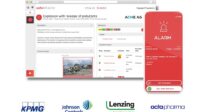
Turn technical alerts into actionable notifications
Many disruptions in energy and utility operations are first detected by existing control, monitoring or technical systems. The next step is making sure the right people are informed quickly and can respond.
Existing systems can trigger a predefined alert in safeREACH through integrations or configured triggers. For example, a technical event can be forwarded to the appropriate on-call team or other defined responders.
The existing system remains responsible for technical monitoring. safeREACH supports the subsequent alerting process and gives responsible teams visibility into responses.
Reach on-call teams outside regular working hours
Technical disruptions do not only occur during regular working hours. At night, on weekends or on public holidays, the appropriate on-call team still needs to be reached quickly.
With predefined alerting scenarios, the relevant people or groups can be notified directly. Responses show who is available, and additional people can be involved according to the prepared workflow if necessary.
This means contacts, responsibilities and next steps do not have to be clarified only after an incident has already occurred.
Alert across sites and areas of responsibility
Not every incident affects the entire organization. A technical disruption may be limited to a single facility or location, while a larger outage or other incident may affect several areas at the same time.
With safeREACH, different recipient groups and alerting scenarios can be prepared in advance. Depending on the incident, technical teams, on-call staff, site managers, IT, management or the crisis team can be involved.
This allows the alerting process to follow the actual responsibilities within the organization.
Our experience
5,000
Customers
350,000
Users
150 Mio.
Alerts
20+
Years
Be prepared for different incidents
| Situation | Prepared alerting workflow |
|---|---|
| Technical disruption | Alert the responsible technical team or on-call staff and involve additional responders if required |
| IT outage or cyber incident | Reach IT, information security and other predefined functions |
| Emergency at a site | Notify affected teams and the responsible personnel |
| Major operational disruption | Involve management, the crisis team and other key personnel |
Predefined scenarios mean that recipients, responsibilities and information do not have to be assembled only after a critical incident has already occurred.
Maintain alerting capabilities during IT outages and cyber incidents
Energy operations increasingly depend on digital infrastructure. If internal IT systems are affected by an outage or cyberattack, the people responsible for the response still need to be reached quickly.
Dedicated alerting scenarios can be prepared for these situations. This makes it possible to notify IT, information security, management and other predefined responders and involve them in further communication when required.
Alerting as part of emergency preparedness
Alerting software does not replace professional risk assessments, emergency plans or existing safety procedures. It supports organizations in putting the resulting alerting workflows into practice.
For energy and utility organizations, this can mean defining in advance which events trigger an alert, which roles need to be reached and how incoming or missing responses are handled.
This turns a documented procedure into a process that can be started quickly when an incident occurs.


Prepare alerting workflows for your energy operations
What happens today when a technical disruption occurs, an on-call team needs to be reached or a critical incident affects several areas of your organization?
Bring an existing alerting workflow or a specific scenario from your organization. We will show you how the process can be implemented with safeREACH.